Global from the Ground up: How Malaysia’s Palm Oil Industry Stood its Ground and Shaped the Conversation
This year, the world looked again and saw something different. Fewer assumptions. More evidence. And a supply chain that is not waiting for change but already operating with it.

THE global conversation on palm oil has long been marked by noise. But in 2025, the tone began to change. There was less conjecture, more evidence. Narratives began aligning not with assumptions but with evidence and at the centre of that realignment was Malaysia.
This was not a shift driven by new practice. It was a shift in recognition. Scientific integrity, traceable supply chains, and commitments to people and landscapes have always underpinned Malaysia’s approach. What changed was that the world finally began to take notice.
The question is no longer whether the world is ready to accept sustainable Malaysian palm oil; the question is whether it is ready to learn from it.
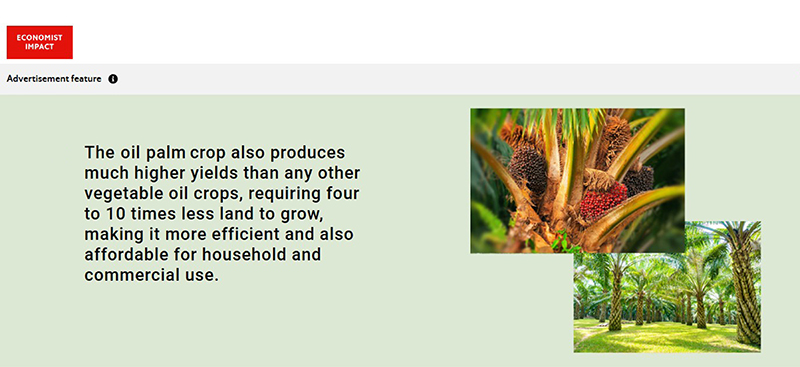
As featured in The Economist, Malaysia is no longer viewed as a reactive participant but as a proactive driver in the global push for sustainable food systems.

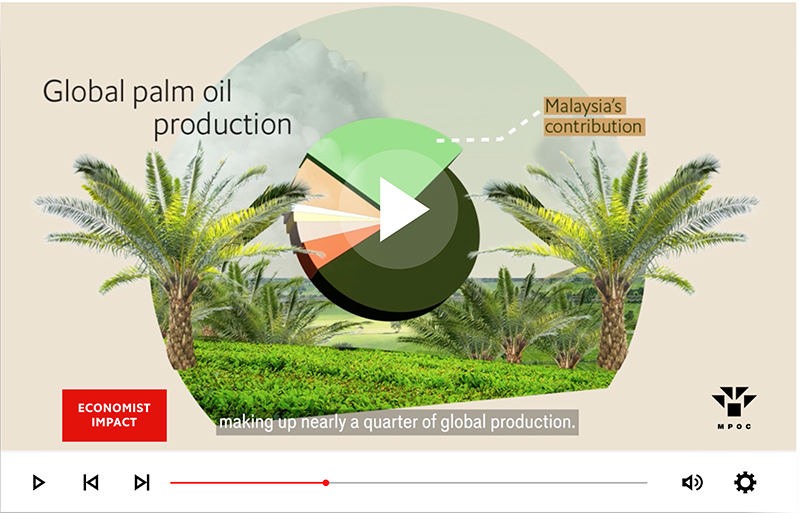

Storytelling that Shapes Global Perception
Effective communication builds credibility. In 2025, MPOC spearheaded campaigns across global media, reaching over 500 million impressions across TV, digital and social platforms. From editorial to animation, every asset was designed to do more than inform. It sparked dialogue and earned trust.

Nature’s Gift: How Malaysian Palm Oil Is Feeding the World Sustainably — featured on Al Arabiya as part of MPOC’s 2025 international media collaborations, highlighting Malaysian palm oil’s role in nutrition and sustainability to audiences across the Middle East.
Al Arabiya profiled Malaysian palm oil as a “golden opportunity” not just for nutrition and food security, but as a model of ethical production and land efficiency. The piece resonated across the Arabic-speaking world, reaching millions online and through syndicated channels.
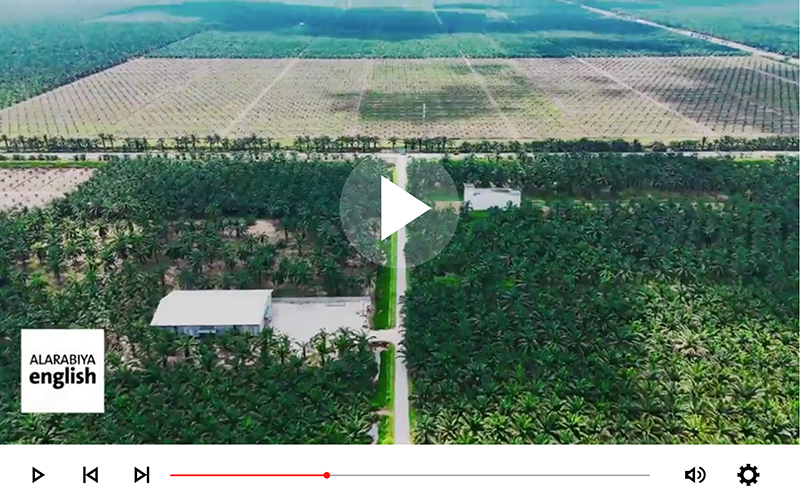
The Economist situates palm oil within the broader context of global food security, presenting it as a solution rather than a threat. In the Middle East, Al Arabiya opened a window into the responsible role of palm oil in feeding the world, reaching millions in both Arabic and English. CNN profiled the science behind sustainability, showcasing voices from the field and lab.
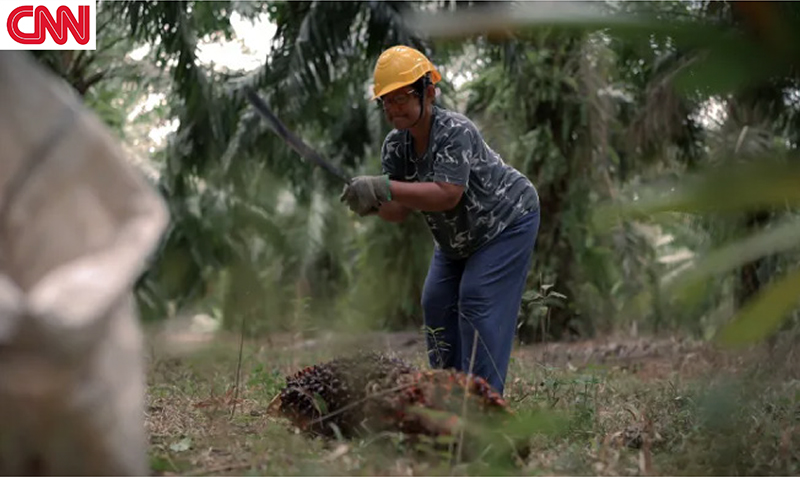
CNN featured the story of Reta Lajah, a Mah Meri smallholder from Carey Island, highlighting how farmers like her are driving real sustainability through MSPO certification and community empowerment.
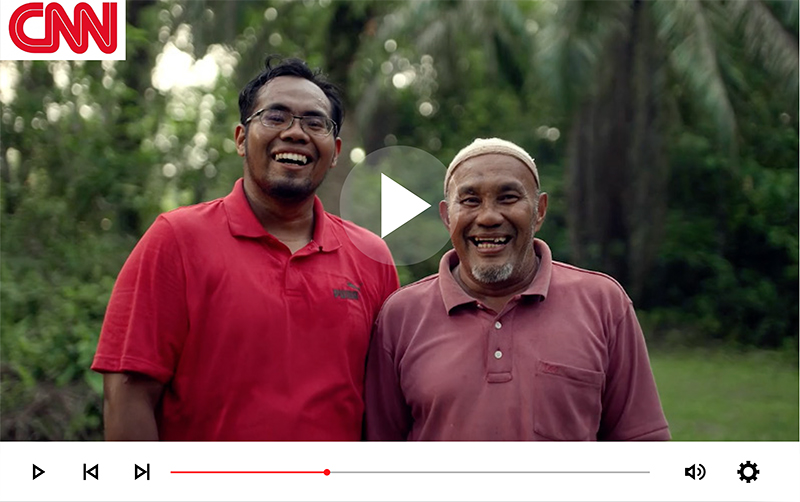
Elsewhere, the South China Morning Post (SCMP) delivered documentary-style reporting from plantations and research sites. And for younger audiences, two parallel efforts carried the message forward.
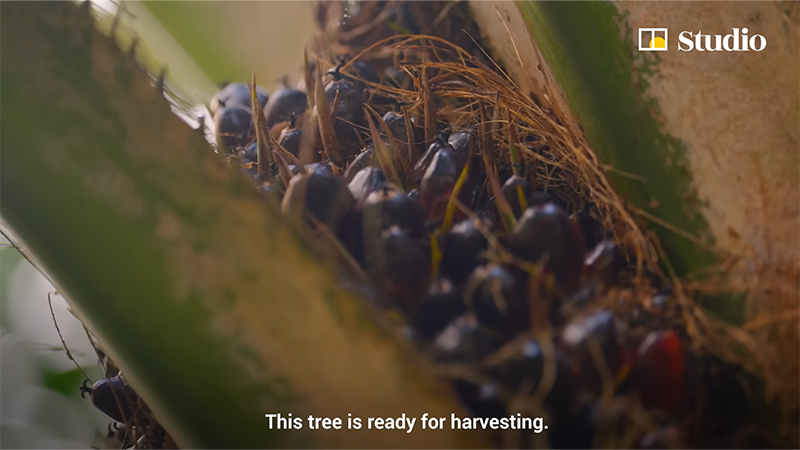
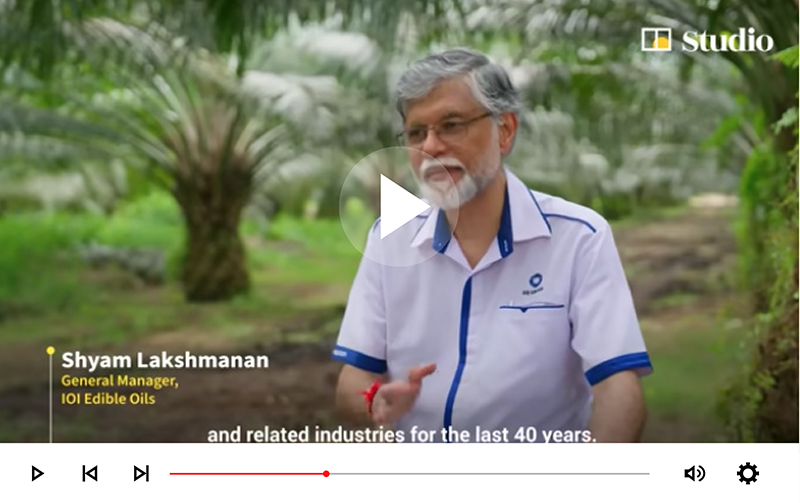
Ir. Shyam Lakshmanan’s insight brings the SCMP feature to life, showing viewers how Malaysia’s commitment to responsible production is embedded from the very start of production.
Follow Ir. Shyam Lakshmanan, General Manager of IOI Edible Oils, inside a palm oil refinery in Sandakan. This visual story maps every step of the process, from harvest to quality testing, showcasing how Malaysian palm oil meets international food and safety benchmarks.
Reaching Young Minds Through Culture and Creativity
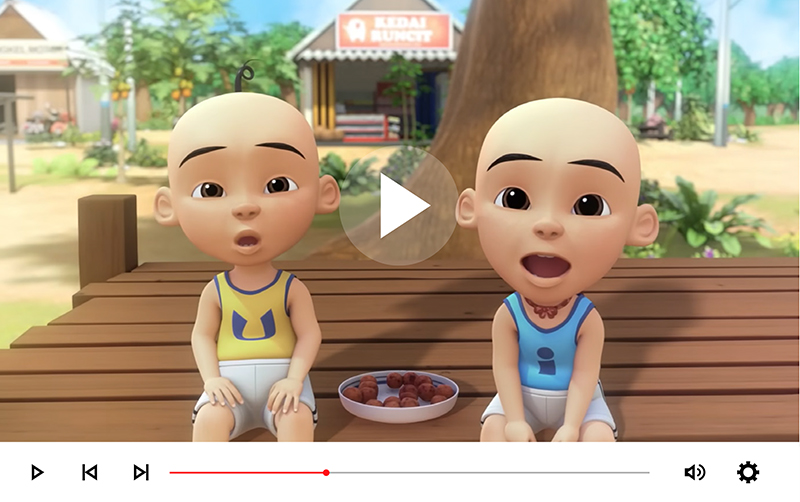
MPOC’s collaboration with Les’ Copaque Production through the Upin & Ipin series brought the story home with schoolyard plays and community festivals. In every market, the message was calibrated but consistent: Malaysian palm oil is here, it is working and it stands ready.
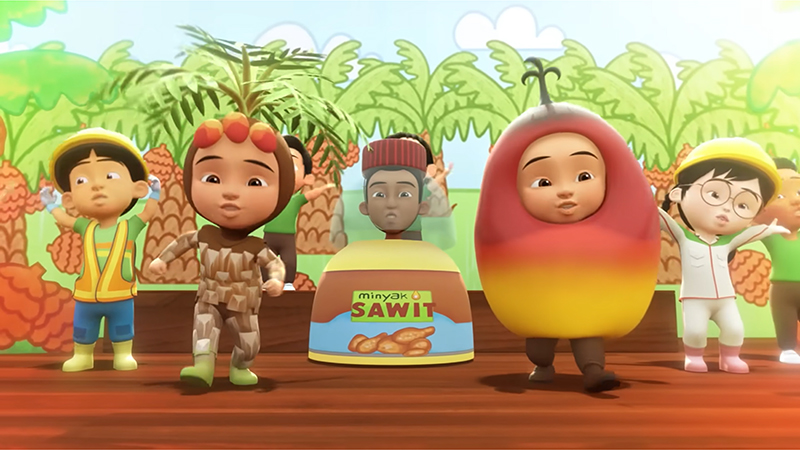
Upin & Ipin series
The Wira Minyak Sawit episode brought palm oil education to life for young viewers through dance, school plays and a community festival set in Kampung Durian Runtuh. The special was broadcast nationwide and reached classrooms across the region.

The creative success also received formal recognition. In late 2024, Upin & Ipin won two national titles at the Asean Academy Creative Awards. The palm oil-themed episode took home Best Animation. Supported by the MPOC, the project showed how storytelling can carry sustainability messages to new generations in classrooms and homes.
Research, collaborations and traceability
Malaysian palm oil’s international standing has been reinforced this year through continued alignment with global sustainability standards and active participation in policy discussions. Technical briefings, research collaborations, and traceability audits have helped shape constructive engagements with partners across the EU, Asia-Pacific, China, India, Africa, and the Middle East.The Wild Asia video series offered a different lens: Smallholders as innovators, not just farmers. Composting, intercropping and regenerative practices were not future goals. They were daily routines.
In 2025, the series won the RSPO “Communicating for Good” Award, acknowledging a campaign supported by MPOC that elevated smallholder narratives as both environmental and economic proof points.
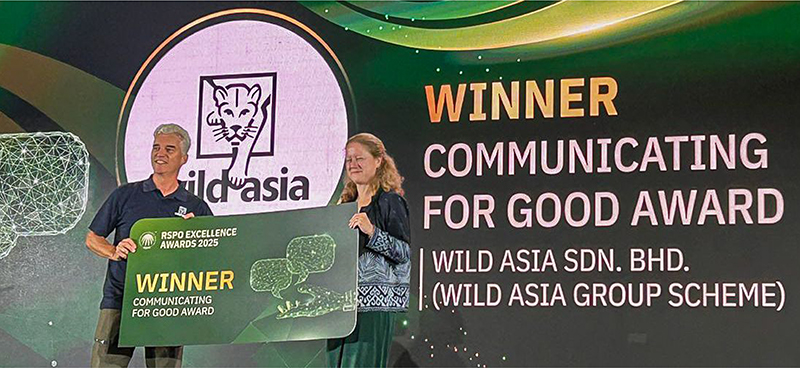
Wild Asia received the Communicating for Good Award at the RSPO Excellence Awards 2025. The winning project, supported by MPOC, spotlighted smallholders as advocates and innovators in sustainable palm oil production, helping reshape how global audiences perceive the role of independent farmers.
The project elevated smallholders as credible voices in the sustainability narrative, using real experiences to build trust with consumers and the broader public.
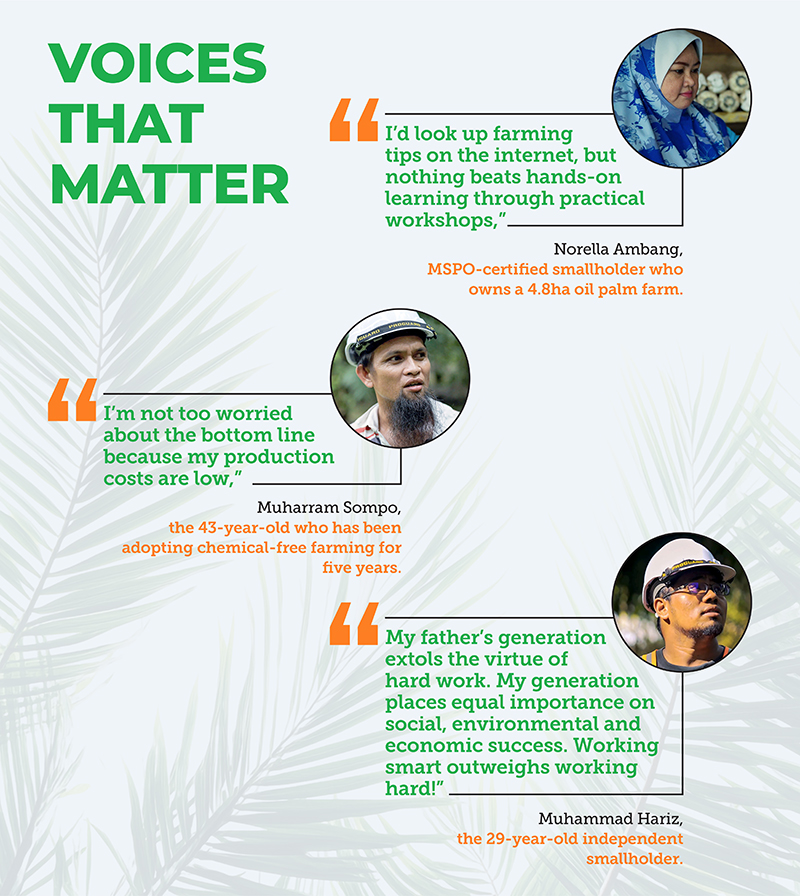
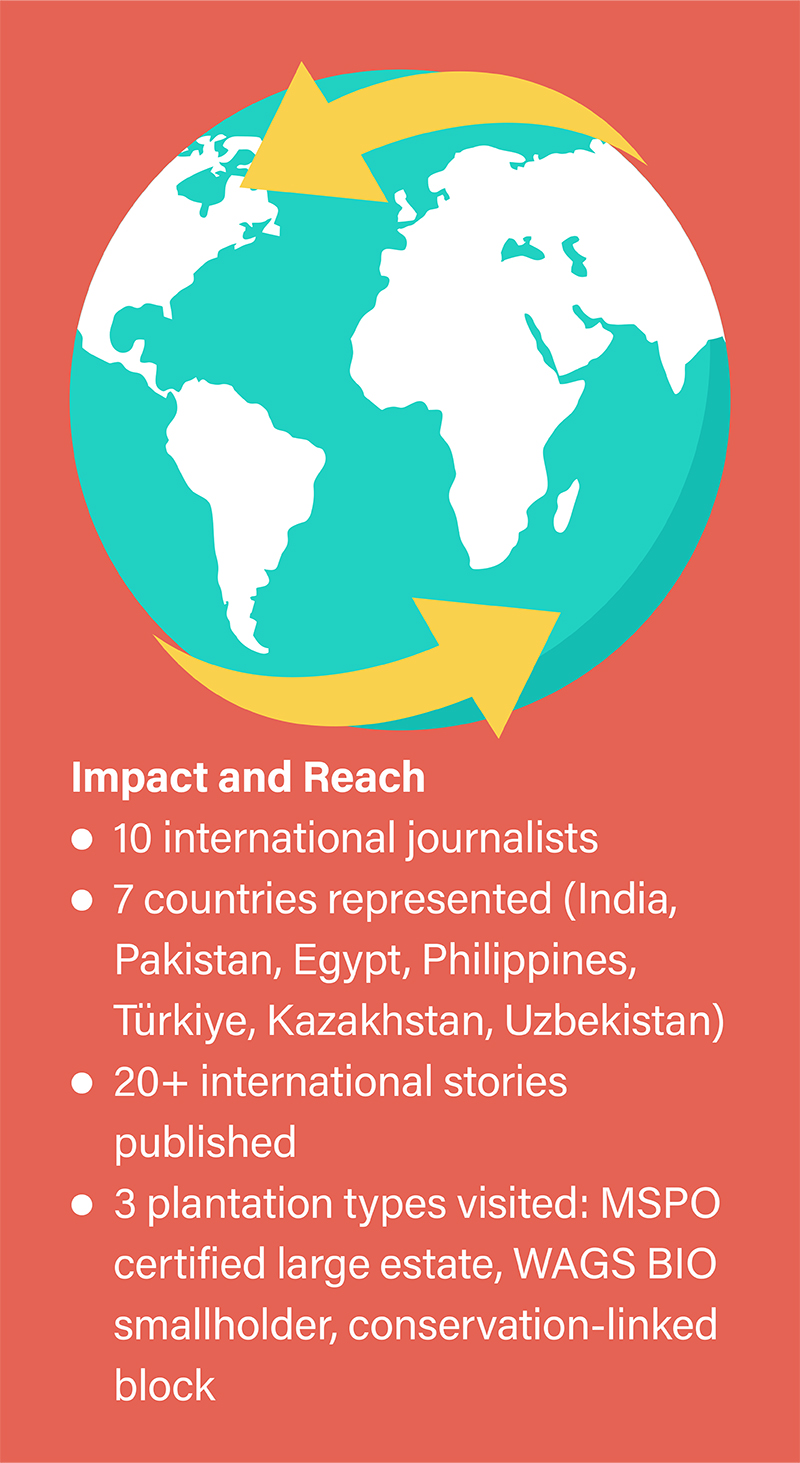
International media, including over 20 features by journalists from seven countries, chronicled these stories with depth and authenticity. These aren’t pilot projects or demonstration blocks. They are working livelihoods, spread across regions from Kinabatangan in Sabah to Sungai Manik in Perak.
Showcasing at World Expo Osaka, Japan
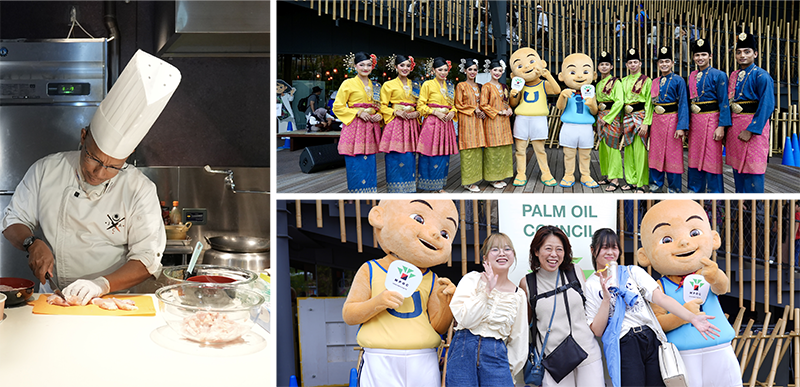
In Osaka, children met the familiar faces of Upin & Ipin on stage, while chefs demonstrated the versatility of palm oil across various cuisines. But beyond the theatrics, the deeper impact came from sustained attention. Decision-makers from over 30 countries paused long enough to listen. And that made all the difference.
World Expo Osaka – Palm Oil Week (9 to 15 June 2025)
- Visitors: 105,000+
- Upin & Ipin live shows: 12 sessions, ~2,000 audience members
- Celebrity chef demos: 9 live sessions
- 30+ international organisations attended policy side sessions
Diplomacy with Data
2025 also marked critical progress on EUDR advocacy. Malaysia’s position, supported by third-party reports and strategic diplomacy, presented a clear case for MSPO as a credible compliance tool. The conversation is shifting from resistance to respect.

The future of sustainable palm oil isn’t being written in Brussels. It’s being demonstrated in places like Beaufort, Kinabatangan and Carey Island.
From Presence to Preference
There was a time when Malaysia had to explain. In 2025, it began to show. The path ahead is more coordinated than speculative. More smallholders are emerging, many of them young or newly empowered. Programmes like BIO are expanding into Central Sarawak. A digital trust layer via e-MSPO is gaining ground. And most critically, the narrative is no longer being built for Malaysia. It’s being built with it.