
Malaysian Palm Oil: Readiness for a New Sustainability Economy

Malaysia’s palm oil sector is entering a defining phase shaped by climate policy, sustainability expectations, and the emergence of structured carbon markets.

MALAYSIA'S climate direction is articulated through several national policy instruments. Malaysia’s updated Nationally Determined Contribution (NDC) under the Paris Agreement commits to reducing the greenhouse gas emissions intensity of GDP by 45% by 2030 relative to 2005 levels. This establishes a long-term national emissions trajectory. 

At the same time, the Ministry of Natural Resources and Environmental Sustainability in Malaysia has issued a consultation paper on the proposed National Climate Change Bill (RUUPIN), outlining a legal framework for emissions reporting, reduction, and potential carbon market mechanisms. The consultation process signals a structured, phased approach to implementation. 

Within the commodity sector, the National Agricommodity Policy 2021-2030 (DAKN 2030), led by the Ministry of Plantation and Commodities, Malaysia, emphasises sustainable production, value addition, and alignment with climate commitments.

Taken together, these frameworks provide clearer policy visibility for industries, including the palm oil industry. 

For the palm oil sector, these policy signals offer regulatory clarity and transition lead time, enabling companies to strengthen emissions data systems, pilot emissions reduction initiatives, and prepare for carbon-linked compliance mechanisms. Complementing this development, the launch of the Bursa Carbon Exchange under Bursa Malaysia offers a structured marketplace for credible carbon transactions, positioning Malaysia within the growing global carbon economy.


From a readiness standpoint, emissions-reduction practices are already part of how many producers operate today. Methane capture at the mill level, biomass utilisation, and land-based management practices are implemented across a significant share of operations and increasingly reflected in sustainability reporting. 


The next phase focuses on expanding coverage, strengthening measurement systems and ensuring that emissions reductions can be credibly verified under evolving carbon market and regulatory frameworks. 


Circular Economy Integration: Operational Maturity 
At the mill level, palm oil mill effluent is increasingly captured and converted into biogas, reducing methane emissions while generating renewable energy for on-site use. Across estates, biomass streams such as empty fruit bunches and oil palm trunks from replanting are utilised for energy generation and material applications rather than treated as waste. 

Even downstream, used cooking oil is being channelled into sustainable aviation fuel pathways, linking plantation-based resources to broader global decarbonisation efforts. 


As carbon and environmental credit systems evolve, the ability to quantify reductions from methane capture, biomass utilisation and land management becomes increasingly relevant. What was once framed primarily as efficiency improvement is now being viewed through a market lens, where measurement and verification determine long-term value. 


Inclusivity Across the Value Chain 
Malaysia’s palm oil value chain is diverse. Alongside large plantation groups, it includes independent mills, medium-sized estates and a substantial smallholder base. 

As circular economy practices expand, technological developments are making broader participation more feasible. Research on decentralised waste-processing systems, including mobile facilities for biomass recycling, suggests that modular approaches can reduce transport distances, optimise feedstock use and lower capital intensity compared to fully centralised models. 


In practical terms, this means that emissions-reduction and biomass-utilisation initiatives do not necessarily require large-scale infrastructure concentrated in a few locations. More distributed systems can enable wider operational adoption across geographically dispersed estates and mills.

This widening participation strengthens overall supply chain consistency and reinforces environmental performance at the national level. 

In parallel, sustainability is increasingly viewed not only through compliance requirements but as part of long-term operational planning. When circular practices are integrated across different operational scales, they contribute to both resilience and market readiness. 


Positioning for Global Leadership 

Global expectations around agricultural sustainability continue to evolve. Transparency, emissions accountability and traceability are increasingly shaping how commodities are evaluated in international markets. 


The next phase centres on execution. Strengthening emissions data systems, expanding mitigation coverage and embedding sustainability considerations into long-term business planning are now part of operational reality across the sector. 


Malaysia’s palm oil industry is working within established certification, reporting and policy frameworks that support this transition. With national climate commitments articulated, mandatory standards implemented and carbon market infrastructure taking shape, the foundations for sustained competitiveness are already in place. 


In a market where carbon performance and traceability increasingly influence procurement decisions, Malaysia’s structured approach provides clarity and confidence to global partners. 
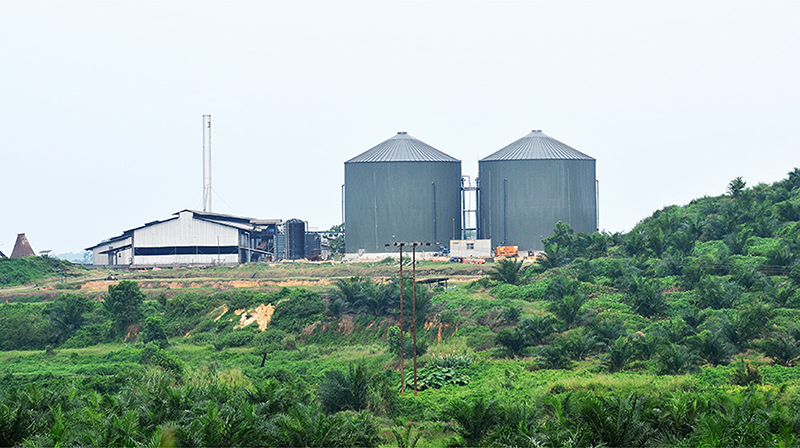
Methane capture at the mill level, biomass utilisation, and land-based management practices are implemented across a significant share of operations.

More from SPECTRUM

Swinburne University and Sunway University conducted a preliminary study on the carbon credit potential of the Malaysian palm oil industry. 

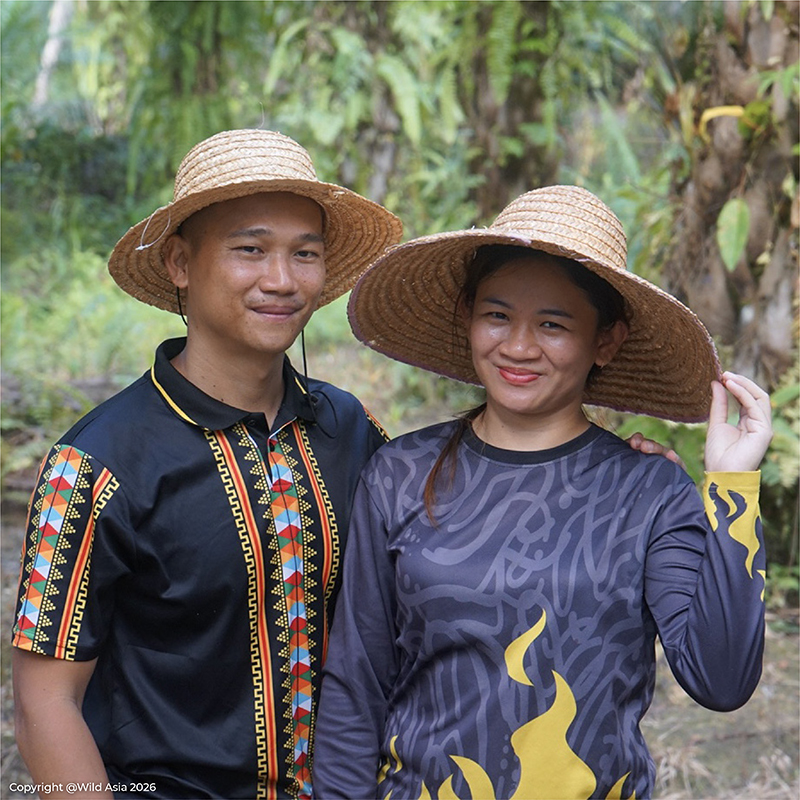
Millennial, climate-conscious, and digitally connected, this couple represents a new wave of farmers who are redefining Malaysia’s palm oil story through regenerative practices.