From Mills to Markets: Unlocking Carbon Credits Potential in the Malaysian Palm Oil Industry
Swinburne University and Sunway University conducted a preliminary study on the carbon credit potential of the Malaysian palm oil industry.
By Mr. Yeo Lip Siang; Ir. Associate Professor How Bing Shen; Ir. Professor Viknesh Andiappan (Swinburne University of Technology Sarawak Campus); Dr. Ngan Sue Lin (Universiti Kebangsaan Malaysia); Dr. Jaya Prasanth Vasudevan Rajakal (Hamid Bin Khalifa University, Qatar); and Ir. Professor Denny Ng Kok Sum (Sunway University, Malaysia)

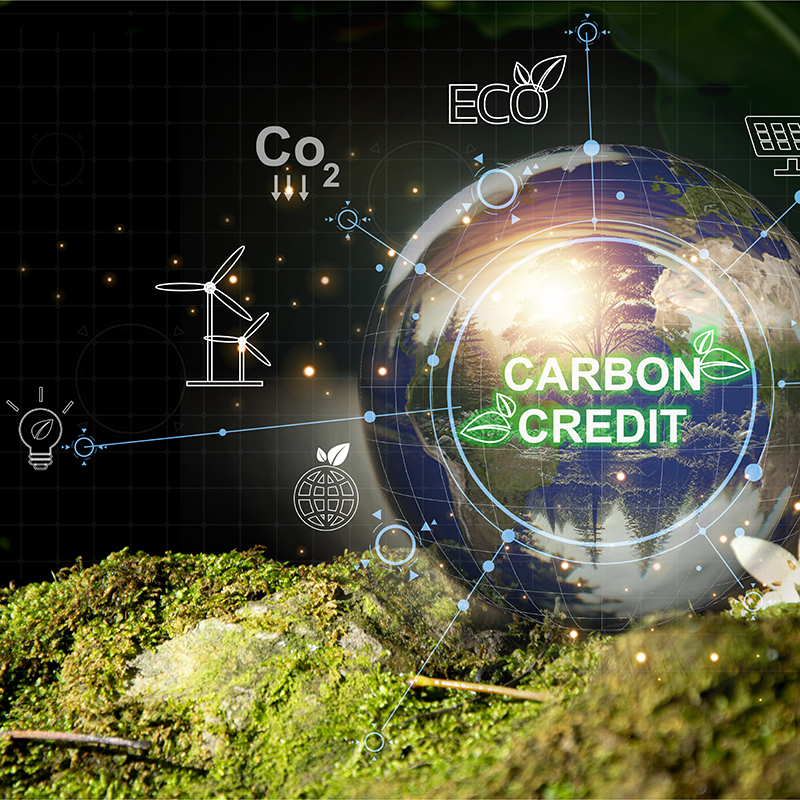
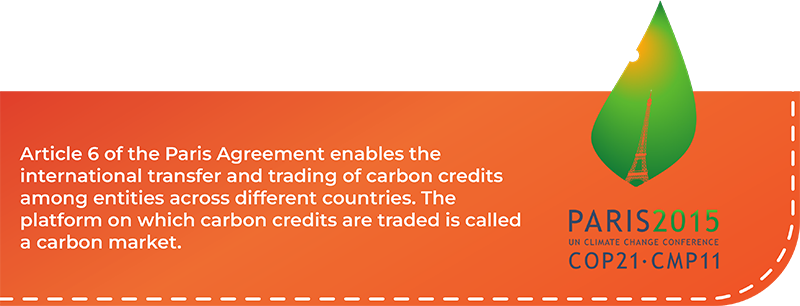
THE Paris Agreement (2015) has guided signatory countries to set climate goals and to commit to long-term emissions-reduction targets. In the recent third iteration of its Nationally Determined Contributions (NDC-3.0), Malaysia has projected to achieve peak greenhouse gas emissions no later than 2034 and net-zero by 2050. Carbon credits are proposed within the Paris Agreement framework as a climate financing mechanism to support countries’ transition towards a low-carbon economy.
A carbon credit refers to the reduction, avoidance, or removal of one metric tonne of carbon dioxide equivalent (CO2eq), achieved through the implementation of verified emissions-reduction projects. These carbon credits are typically sought by countries or organisations that are unable to meet their emissions targets, enabling compliance with regulatory requirements or, in some cases, voluntary commitments.
The palm oil industry, one of the major contributors to Malaysia’s economy, has significant potential to support the nation’s net-zero ambitions.
Potential of Carbon Emission Reduction in the Malaysian Palm Oil Industry
To address the abovementioned goals, it is important to understand the Malaysian palm oil industry's net zero potential.
A 2024 study, Towards Net Zero Emissions (2024) by Swinburne University of Technology, Sarawak, and Sunway University in collaboration with Malaysian Palm Oil Council (MPOC) identified opportunities to scale up emerging technologies and nature-based solutions, enabling the industry not only to achieve net zero but also to potentially become carbon negative.
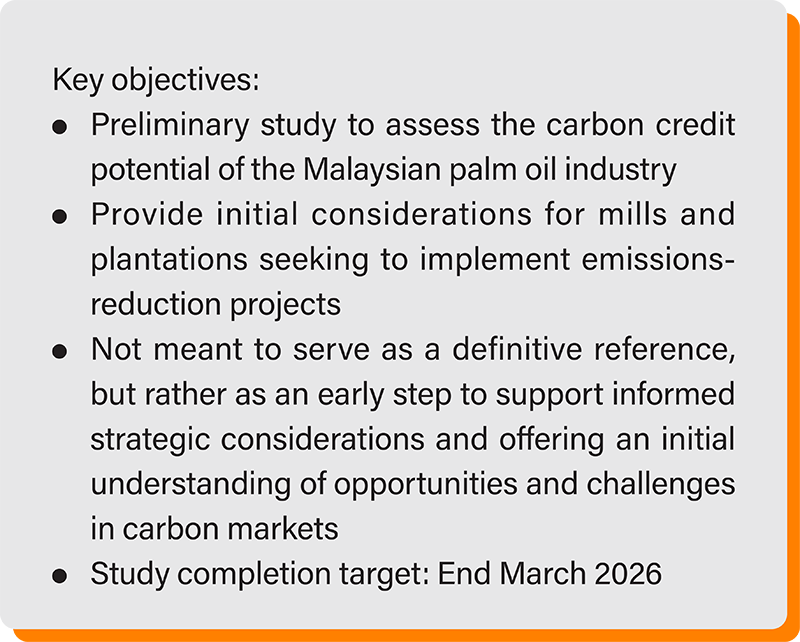
Building on these findings, researchers from Swinburne University of Technology Sarawak and Sunway University are currently undertaking a preliminary study to assess the carbon credit potential of the Malaysian palm oil industry under prevailing market and policy conditions.

This exercise is intended to provide early-stage insight for industry stakeholders. It is not designed as a definitive investment guide, but as a structured foundation for informed strategic considerations.
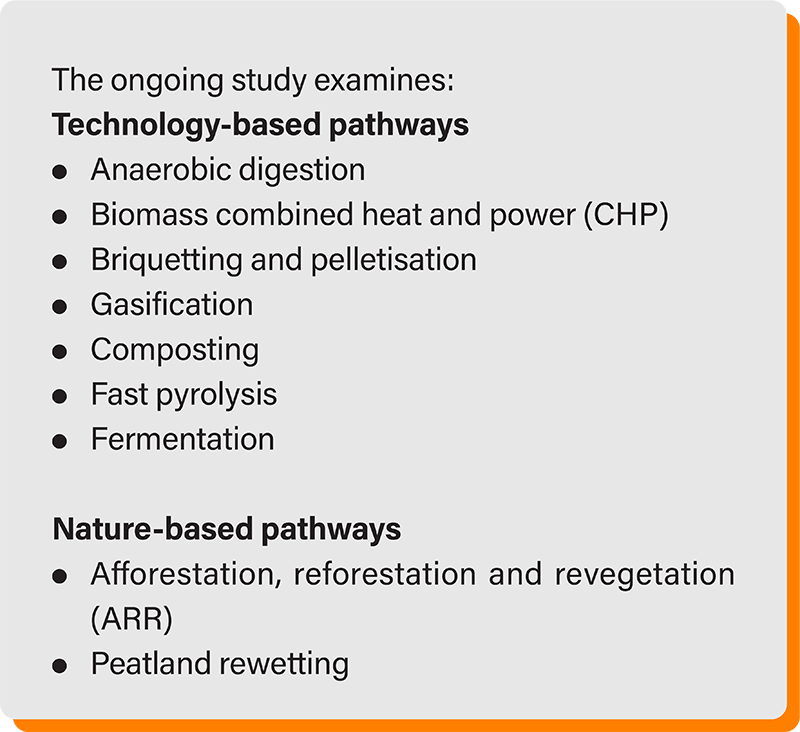
Preliminary findings indicate that composting and fast pyrolysis may have the highest potential for carbon credits. Briquetting, pelletisation, and ARR could provide lower costs but yield fewer credits.
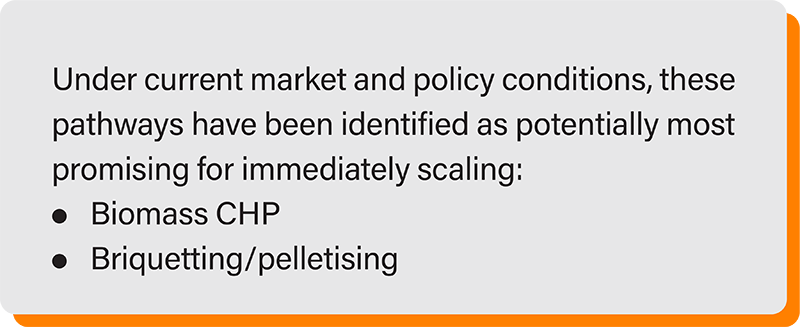
Here, projects must align with international standards, such as Verra’s Verified Carbon Standard (VCS), the Gold Standard, or Puro Earth, to ensure credibility and access to carbon markets.