THE HOUSE IS ONLY THE BEGINNING: CHANGEMAKER AWARD


Giving people from different walks of life a platform to engage with one another. 

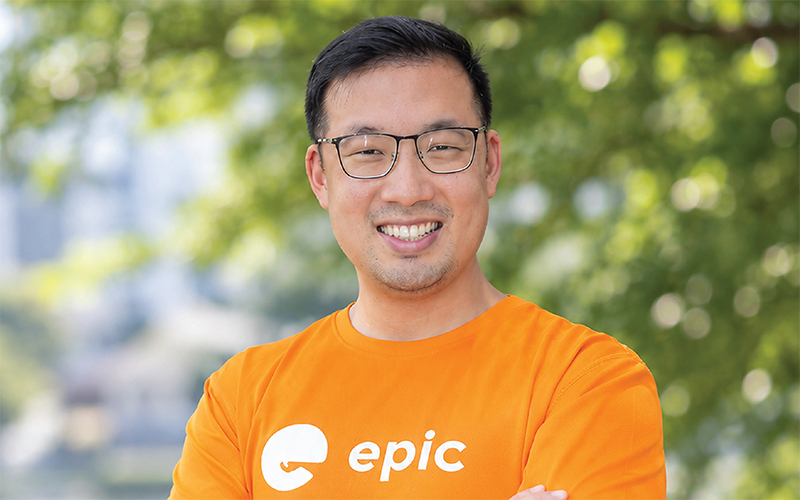
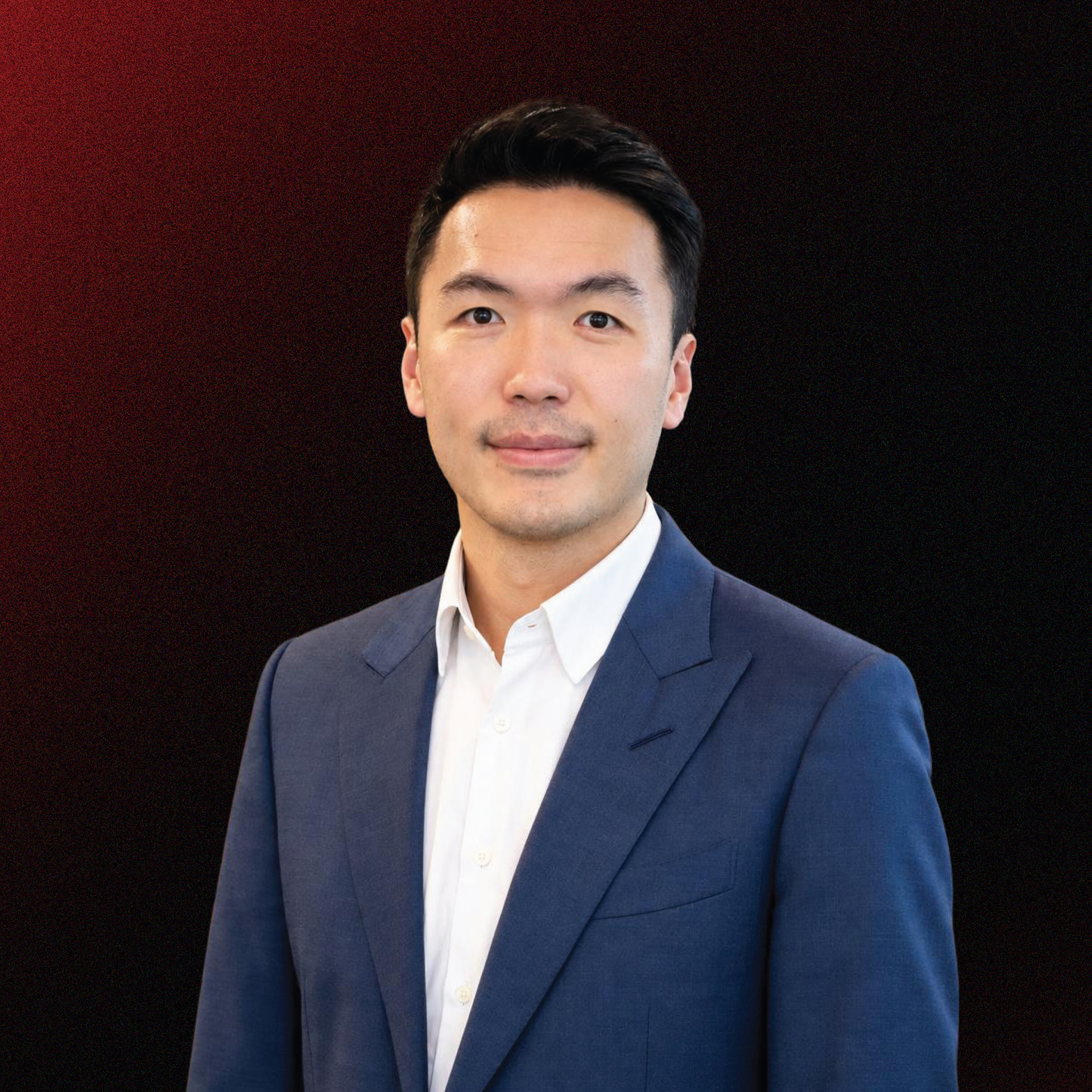
A house can be counted. A relationship is harder to measure. That distinction has shaped much of John-Son Oei’s work through EPIC, the social enterprise he co-founded in 2010. Its flagship programme, EPIC Homes, began with a practical problem: how to provide safe housing for Orang Asli families living in difficult conditions, often in remote locations where conventional construction methods can be expensive, slow or difficult to deploy.

Oei said: “The answer was a modular system designed to make building simpler, faster and considerably more inclusive.”

EPIC’s “Ikea-like” system uses prefabricated components, repeatable construction steps and no dependence on heavy machinery. The system is designed so that trained volunteers and community members can participate directly in the build.

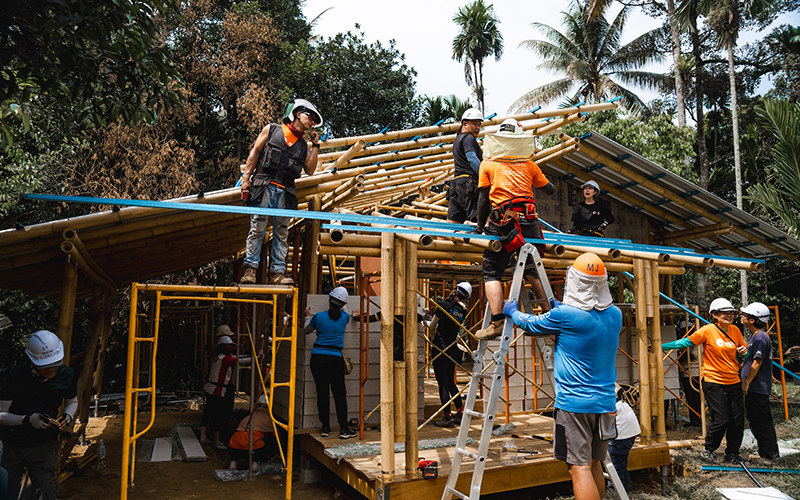
At the centre of the model is the three-day build. People with very different backgrounds arrive at a site and, under the guidance of EPIC’s trained builders and facilitators, help turn a set of components into a permanent home. Some arrive with little or no construction experience.

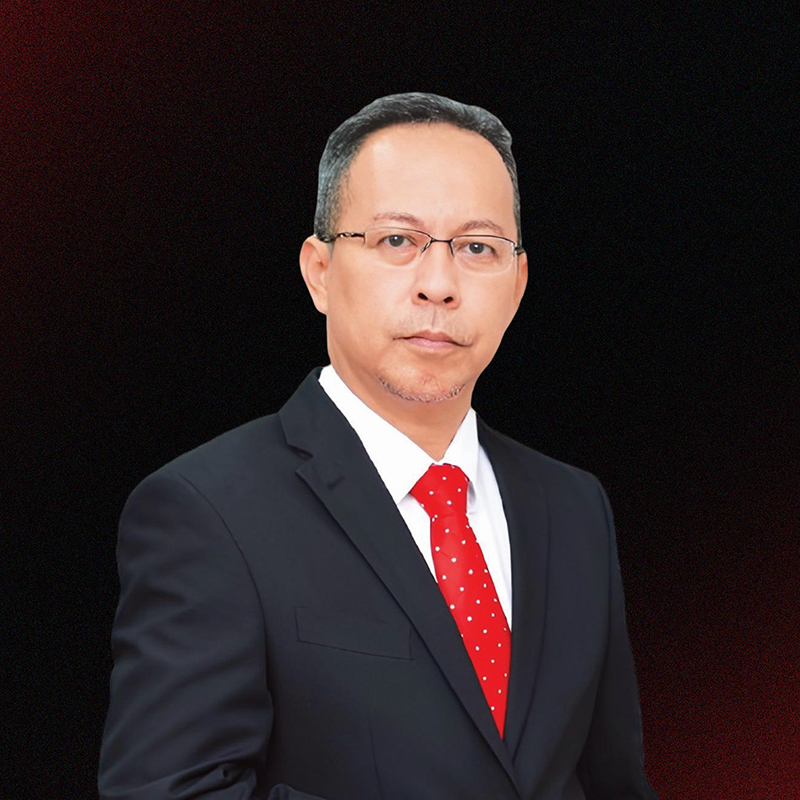
Oei champions empowered leaders to drive change.

Oei’s intervention goes beyond construction efficiency. EPIC deliberately places the homeowner and the surrounding community inside the building process. Rather than treating recipients as passive beneficiaries waiting for somebody else to solve their problem, homeowners work alongside urban volunteers.

The larger ambition is agency. More than 10,000 volunteers have been mobilised, safe homes have been provided for more than 400 families and EPIC has worked across 30 villages in Malaysia. The organisation moved from an average of about 25 homes a year to more than 100 safe homes annually since 2024.


For a model built around people rather than heavy machinery, scaling brings an obvious challenge. He said: “Volunteers progress through an organised learning system from basic builders to specialist roles and eventually facilitators. 

The ‘Train-the-Trainer’ structure lets experienced volunteers lead and supervise newer participants, enabling EPIC to support more than one building effort. Through a “Pay-It-Forward” approach, homeowners and other community members learn during the build so they can later help construct another home in the village.”

In partnership with Tetra Pak, EPIC has incorporated poly-aluminium roofing made from recycled beverage cartons into its material supply chain. The material offers thermal and acoustic advantages over conventional zinc sheets while giving waste material another productive use.

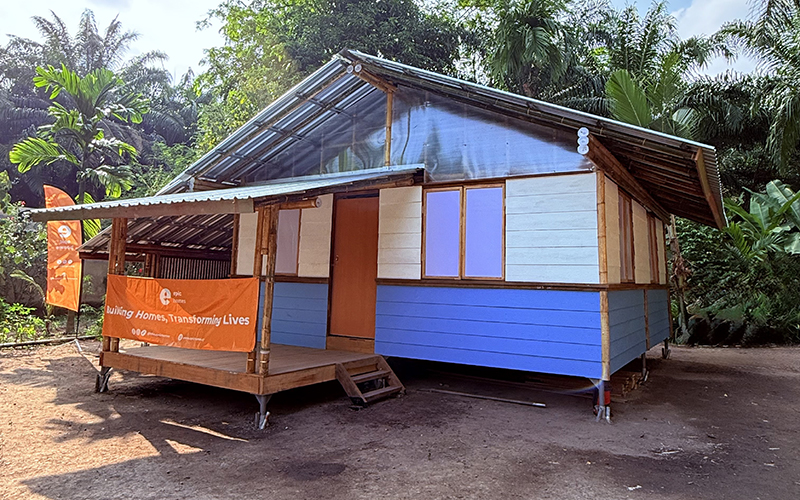
EPIC is also exploring treated bamboo as an alternative structural material, having completed four bamboo homes in consultation with local communities. Raised living spaces reflect traditional living patterns and local conditions, while cross-ventilation, social areas and modular construction support the design. Prefabricated components improve construction efficiency while creating opportunities for local involvement.

For EPIC, sustainability goes beyond materials. He said: “Companies can participate in house-building through structured EPIC programmes, turning what might otherwise have been a conventional corporate social responsibility contribution into a direct experience.

“The commercial model helps fund the social mission. But something else happens in the process. Urban Malaysians who may know Orang Asli poverty principally through statistics suddenly find themselves building alongside the people behind those statistics.”

In a conventional construction project, performance can be measured through time, cost, quality and safety. EPIC still has to care about all four. It adds another question. What changed in the people who participated? A volunteer, a homeowner, a corporate team or a village may gain people who understand how the housing system works and can help maintain or extend what has been built. These are harder outcomes to quantify. Three days may be enough to assemble a house, but the social infrastructure around it takes considerably longer.

Oei has designed a system in which both forms of building happen at the same time. The house is visible when the volunteers leave. The harder thing to see – the skills, relationships and sense of agency built around it – may ultimately be the more enduring structure.

The Innovation: The 3-Day Build


More from INDIVIDUAL AWARDS

 YOU MAY ALSO LIKE