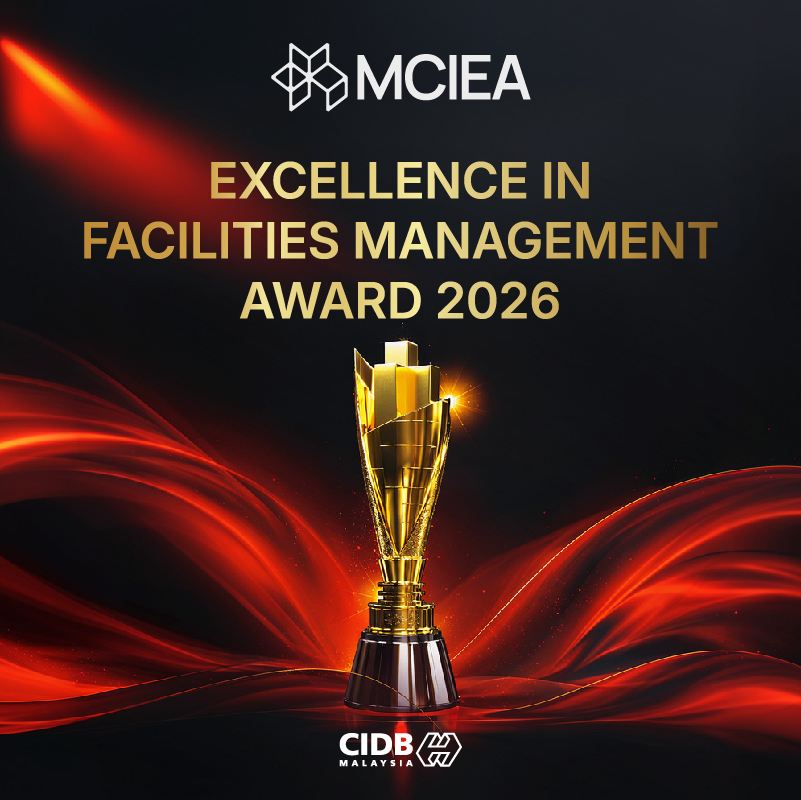
BEHIND EVERY HOSPITAL: EXCELLENCE IN FACILITIES MANAGEMENT AWARD
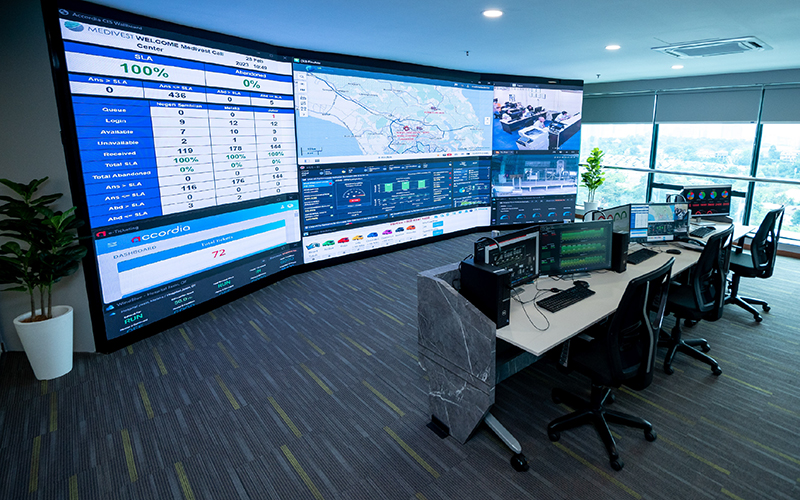


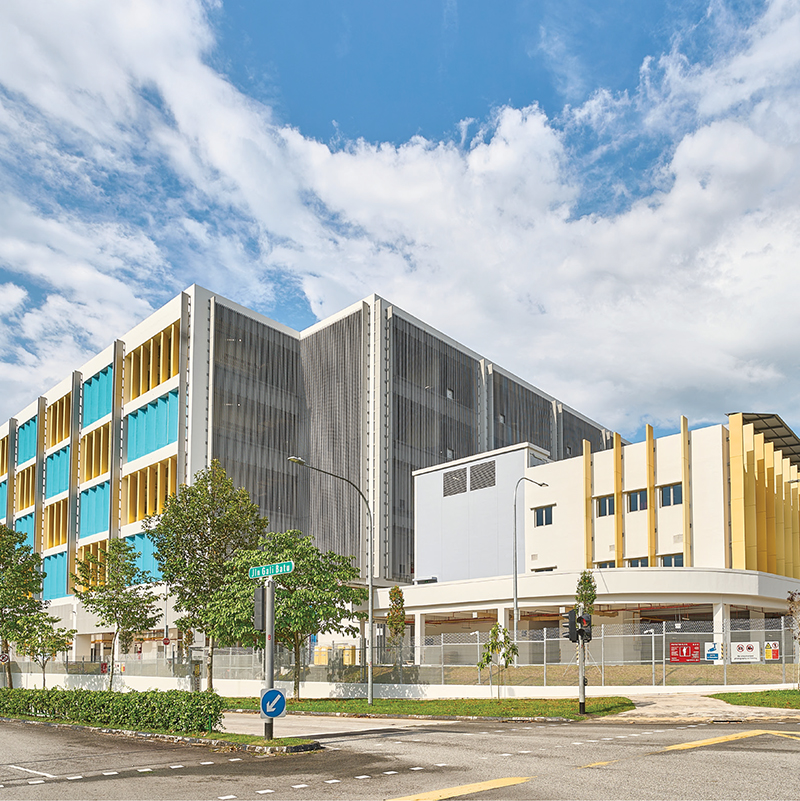
The Amplified Intelligence Centre brings critical operational data together.

FOR most people, a hospital is defined by what happens at the frontline – doctors, nurses, operating theatres, wards and treatment rooms. But all of that depends on another layer of behind-the-scenes work: dependable power, cooling and ventilation, water, biomedical equipment, clean environments, linen, waste management, and many other systems that must keep running every day.

Medivest Sdn Bhd has worked in this space for more than three decades, providing integrated hospital support and facilities management services across government hospitals in Johor, Melaka and Negeri Sembilan. 

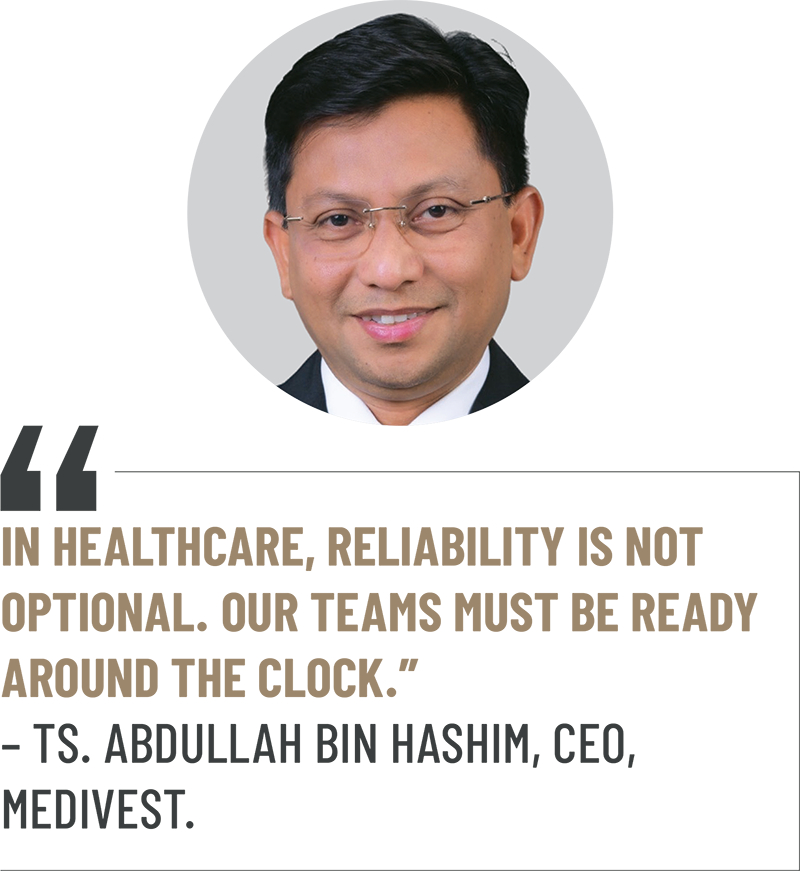
In healthcare, reliability is critical, as the systems Medivest manages directly affect hospital operations and must remain operational around the clock. The award recognises the people working behind the scenes to ensure these facilities continue to support healthcare delivery.

The demands of a hospital differ greatly from those of a conventional commercial building. A disruption to air-conditioning can affect temperature and ventilation in clinical areas, while failures involving electrical supply, water, medical-support infrastructure or biomedical assets can have wider operational consequences. Services such as cleansing, linen and laundry, and healthcare waste management are also closely linked to hygiene, safety and continuity of care.

Medivest supports 23 government hospitals, manages more than 1,200 acres of hospital land and oversees around 142,000 assets valued at approximately RM2.5 billion. Managing this scale requires disciplined maintenance, clear operating procedures, 24-hour monitoring and teams that understand the consequences of failure in a healthcare setting.


Medivest’s Amplified Intelligence Centre brings together operational information from the facilities it manages, giving teams greater visibility of asset performance, energy use, healthcare waste and other critical activities. This helps identify abnormal trends earlier and address maintenance priorities more effectively.

The company also uses Internet of Things (IoT)-enabled monitoring, automated cleaning equipment, duct-cleaning robots and drone inspections with thermal imaging. These tools support inspections, improve access to difficult areas, reduce risk exposure and provide better information on asset condition. The focus is not technology for its own sake, but better control of operational risk and fewer unexpected failures. Looking ahead, Medivest is placing greater emphasis on condition-based and predictive maintenance, using actual equipment performance and operating trends to determine when intervention is needed.

Sustainability in a hospital also requires a different approach. Hospitals operate 24 hours a day, so systems such as chillers, ventilation, electrical supply and water services must continue supporting clinical operations. Medivest therefore focuses on improving efficiency while maintaining the conditions required for healthcare delivery.

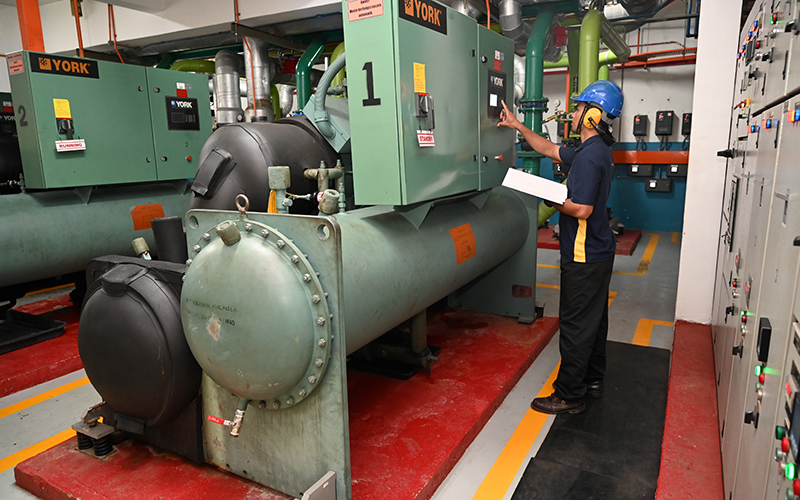
At Hospital Sultan Ismail in Johor Bahru, a chiller-plant retrofit reduced energy consumption by 35.38%, delivering annual savings of more than RM2.8 million. The project was recognised at the National Energy Award 2025 for Energy Performance Contracting. At Hospital Jasin in Melaka, chiller-plant improvements reduced energy consumption by 24%, saving more than RM500,000 annually. Medivest also uses solar photovoltaic systems, rainwater harvesting, energy monitoring and other efficiency measures across facilities under its management.

Measurement and verification support these initiatives. Baselines and operating profiles are established before major energy projects are introduced, while performance is monitored afterwards to ensure savings do not come at the expense of temperature, ventilation, indoor environmental quality or equipment availability.

Beyond energy, Medivest’s sustainability work covers water conservation, recycling and healthcare waste management. At its healthcare waste treatment facility in Bukit Rambai, Melaka, air pollution control and continuous emissions monitoring systems support operations. It has also explored with Universiti Teknikal Malaysia Melaka (UTeM) the potential to repurpose treatment by-products into concrete materials, linking healthcare waste management with circular-economy thinking and the wider built environment.

For all the technology involved, facilities management remains driven by people. Engineers, biomedical personnel, technicians, cleansing teams, linen and laundry personnel, healthcare waste teams, supervisors, call-centre staff and vendors all contribute to keeping a hospital functioning. Medivest continues to strengthen technical capability through structured training, including the Certificate in Healthcare Facility Management, technical masterclasses and professional development.

Hospitals are built for care, but care depends on much more than what patients see. Behind every functioning ward, uninterrupted procedure and safe clinical environment is a network of people, systems and engineering working quietly in the background. That is the work this award recognises.


Facility engineering maintenance activity.


More from BEST CONTRACTOR AWARDS

 YOU MAY ALSO LIKE